
«Everything that remains can take on new lives.
Readings re-emerge in a conversation across time»
Yolanda Castaño
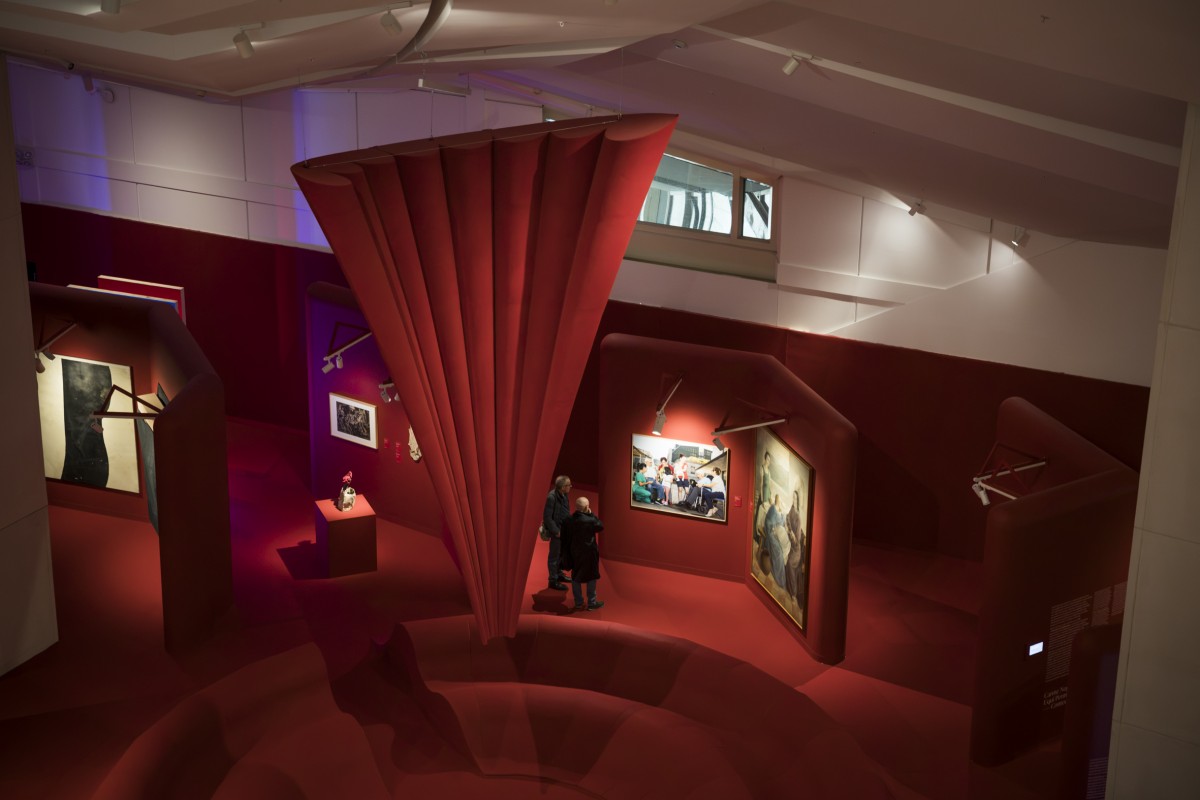
Ser—Noutras displays over thirty works of Galician art from the collection of the Museo Reina Sofía, signed by historical figures such as Maruja Mallo, Julia Minguillón, Arturo Souto, and Virxilio Viéitez, alongside contemporary artists with extensive and recognized careers: from Berta Cáccamo to Menchu Lamas, Francisco Leiro, Xurxo Lobato, Carme Nogueira, Elena Colmeiro, Vari Caramés, and Salvador Cidrás, among others.
Starting from this selection, the exhibition invites creators from today’s Galician art scene —including Chelo Matesanz, Marta Pazos, Xisela Franco, Lois Patiño, Yoseba MP, Jacobo Bugarín, Julia Huete, Pía Piadosa, Rodríguez-Méndez, Yolanda Castaño, and Kiko Pérez— to establish a dialogue from their own artistic practice, either through an existing piece or through an original artwork created specifically for the show.
This process materializes in 18 conversations addressing memory, identity, territory, conflict, the body, sexuality, care, affection, and feminism. These dialogues cross time and generations, giving rise to 15 brand-new, unseen works created specifically for this exhibition project.
Ser—Noutras is curated by the Director of Cultural Action at the Cidade da Cultura de Galicia, art historian and curator Verónica Santos Farto, and by cultural manager, art historian, and Director of the Fundación Camilo José Cela, Chus Martínez Domínguez.
18 Dialogues, 45 Intertwined Voices
An art collection is always an incomplete proposition — a step-by-step, work-by-work process that marks the present of a specific place and time. The exhibition Ser—Noutras experiments with the hypothesis of asking ourselves how a potential collection of Galician art should be displayed, understanding it not as something static and immutable, but as a living entity connected to the creation process itself.
The exhibition thus aims to activate encounters and processes, generate new readings, and incorporate new works that come into being by looking into the mirror of others: works presented and exhibited to be in other works (ser noutras). It weaves 18 dialogues between works and artists, threading their voices together and building bridges across their bodies of work. The project is dedicated to fostering meeting points, forging intergenerational connections, and offering a new vision of a collection as a tool for creation as well as social, educational, and critical transmission.
Maruja Mallo_Marta Pazos | Loreto Martínez Troncoso_Yolanda Castaño | Anna Turbau_Xisela Franco | Carme Nogueira_Javier Fernández Pérez de Lis, Xosé Lois Gutiérrez Faílde, Jaione Camborda | Elena Colmeiro_Mar Ramón Soriano | Virxilio Viéitez_Andrea Costas | Julia Minguillón_Mar Caldas | Arturo Souto_Chelo Matesanz | José María de Labra_Mar Vicente | Berta Cáccamo_Julia Huete | Vari Caramés_Kiko Pérez | Xurxo Lobato_Yoseba MP | Francisco Leiro_Pablo Barreiro | Tino Grandío_ Rodríguez-Méndez | Menchu Lamas_Lois Patiño | Salvador Cidrás_Jacobo Bugarín | Estampa Popular Galega_Pía Piadosa | [Contedor de feminismos] Uqui Permui, Carme Nogueira, Anxela Caramés
A Multiple and Collective Perspective
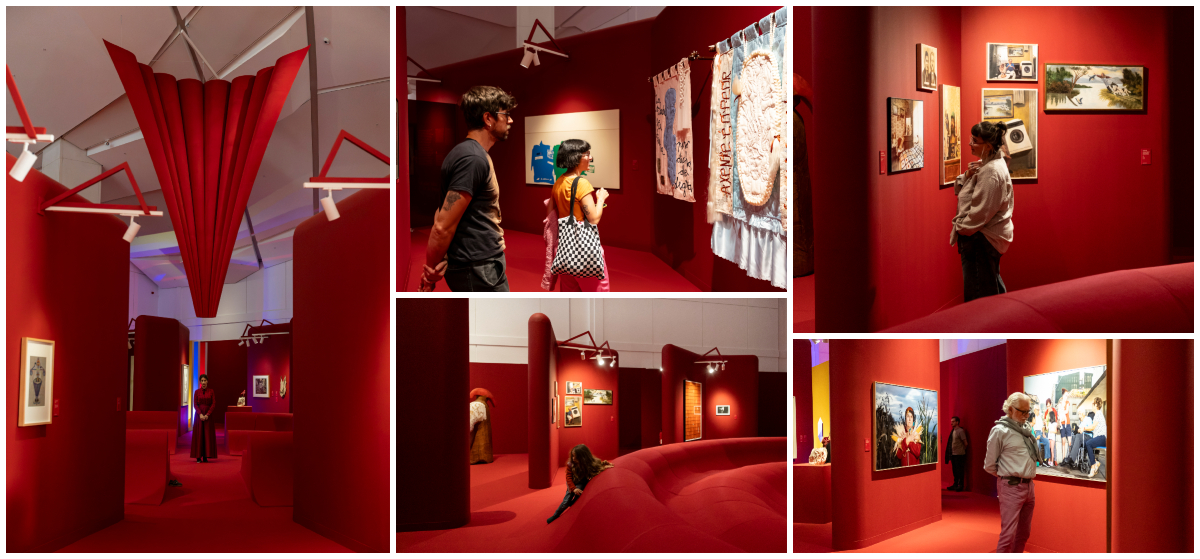
Ser—Noutras sets out to blur the boundaries between disciplines, incorporating a wide array of languages and channels of expression —such as audiovisual media, performance, photography, sound, design, new technologies, comics, and architecture— with a strong emphasis on artistic processes, collaboration, and parity.
Within this choral exhibition discourse, visual artist, theatre director, playwright, and set designer Marta Pazos dialogues with the imagery of surrealist painter Maruja Mallo to create Maruja, a brand-new spatial installation conceived as a major “visual theatre” that stands as the stage encompassing all the works on display.
The exhibition provides the Museo Centro Gaiás with the opportunity to imagine, adapt, propose, test, play with, and reorganize an art collection —such as that of the Museo Reina Sofía— absorbing learned codes while experimenting with and incorporating its own to complete a creative map from the periphery. It questions traditional ways of constructing art historiography, aiming to offer a fragment of contemporary Galician art history while bringing visibility to new realities, such as the strength and consolidation of projects led by numerous women artists.